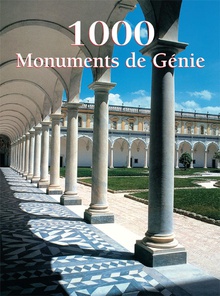
Depuis la mythique tour de Babel, les hommes ont toujours tenté d’ériger des monuments à la hauteur de leur ego démesuré. Que ce soit les antiques ziggourats, le Taj Mahal ou encore l’Empire State Building, l’homme n’a cessé, depuis des millénaires, de montrer sa puissance grâce à l’érection de ces bâtiments à l’utilité autant religieuse que profane. Témoignages aux mille visages, symboles des valeurs des peuples tels la dévotion, le patriotisme, la puissance ou encore symboles de leur grandeur, ces monuments, par la créativité et l’ingéniosité de leurs architectes, fascinent et attirent aujourd’hui un public sans cesse renouvelé. Cet ouvrage, …
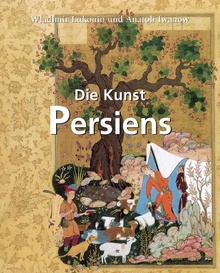
Einige der prunkvollsten Schätze persischer Kunst befinden sich in den Archiven der Eremitage. Lange verloren geglaubt, wurden sie doch wiedergefunden, katalogisiert und werden jetzt in diesem Bildband mit einer unvergleichlichen Auswahl an Farbabbildungen vorgestellt und analysiert. In einer umfassenden Einleitung dokumentieren Wladimir Lukonin und Anatoli Iwanow die Hauptentwicklung der persischen Kunst, von der ersten Anzeichen menschlicher Zivilisation in den iranischen Steppen bis hin zum frühen 20. Jahrhundert. Dabei wird der rote Faden der persischen Kunst, der sich konsequent über drei Jahrtausende durch die Kunst der Region zieht und selbst durch politische und religiöse Umwälzungen nicht aus der Bahn geworfen wurde, …

Das Bauhaus war eine der bedeutsamsten und folgenreichsten kulturellen Erscheinungen des 20. Jahrhunderts. Es wurde als eine Hochschule für Kunst und Gestaltung 1919 in Weimar von Walter Gropius gegründet. Seine Wirkungsstätten waren Weimar 1919-1925, Dessau 1925-1932 und Berlin 1932/1933. Ihre Gestaltungslehren finden bis heute Beachtung in renommierten Architektur- und Kunstausbildungsstätten aber auch im allgemeinbildenden Kunsterziehungsunterricht. Produkte des Bauhauses – so die berühmten Stahlrohrmöbel von Marcel Breuer – avancierten zu wohlfeil angebotenen Designklassikern. Bauten des Bauhauses haben Architekturgeschichte geschrieben und gehören heute zum UNESCO-Weltkulturerbe. Dieses Buch vermittelt einen Überblick über die Geschichte des Bauhauses und legt besonderen Wert auf eine umfangreiche …
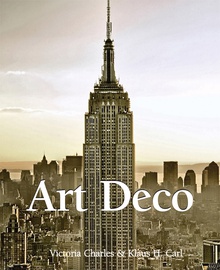
Art Deco style was established on the ashes of a disappeared world, the one from before the First World War, and on the foundation stone of a world yet to become, opened to the most undisclosed promises. Forgetting herself in the whirl of Jazz Age and the euphoria of the “Années Folles”, the Garçonne with her linear shape reflects the architectural style of Art Deco: to the rounded curves succeed the simple and plain androgynous straight line… Architecture, painting, furniture and sculpture, dissected by the author, proclaim the druthers for sharp lines and broken angles. Although ephemeral, this movement keeps …
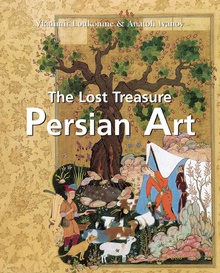
Housed in the Hermitage Museum along with other institutes, libraries, and museums in Russia and the republics of the former Soviet Union are some of the most magnificent treasures of Persian Art. For the most part, many of these works have been lost, but have been catalogued and published here for the first time with an unsurpassed selection of colour plates. In a comprehensive introduction, Vladimir Lukonin, Director of the Oriental Art section of the Hermitage Museum, and his colleague Anatoli Ivanov have broadly documented the major developments of Persian Art: from the first signs of civilisation on the plains …
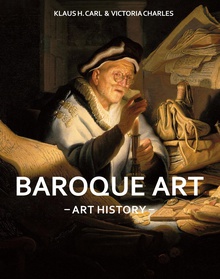
The Baroque period lasted from the beginning of the 17th-century to the middle of the 18th-century. Baroque art was artists' response to the Catholic Church's demand for solemn grandeur following the Council of Trent, and through its monumentality and grandiloquence, it seduced the great European courts. Amongst the Baroque arts, architecture has, without doubt, left the greatest mark in Europe: the continent is dotted with magnificent Baroque churches and palaces, commissioned by patrons at the height of their power. The works of Gian Lorenzo Bernini of the Southern School and Peter Paul Rubens of the Northern School alone show the …
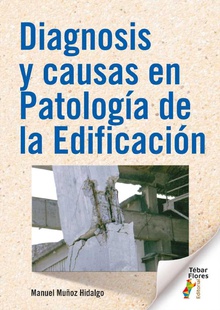
Este libro agrupa muchos casos reales en los que se han producido daños, con gran número de fotografías y dibujos que permiten diagnosticar, por analogía con las de este libro y con bastante facilidad, las lesiones que se puedan presentar. Incluye 30 cuadros orientativos de patología con 120 casos de daños, para una búsqueda rápida del problema, indicando a título orientativo, el tipo de rotura, la gravedad, las causas más frecuentes, las medidas de precaución y el capítulo donde se estudia. Se incluye también un test de patología para que el lector pueda ratificar su conocimiento cuando tenga que diagnosticar …
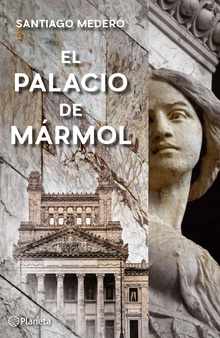
En cien años, el Palacio Legislativo ha acumulado muchas historias: este libro es una apasionante y profunda exploración a través de un siglo de vida republicana.Para emprender la difícil peripecia de contar una historia del Palacio Legislativo, este libro adquiere formas diversas. Así, capítulo a capítulo, lo vemos pasar de la exploración crítica a la crónica urbanística, del ensayo historiográfico sobre el poder y la arquitectura al análisis de la mutación de los símbolos a través del tiempo.Con una prosa rigurosa, pero nunca solemne, Santiago Medero recorre los múltiples pliegues materiales y poéticos de una obra monumental en la historia …
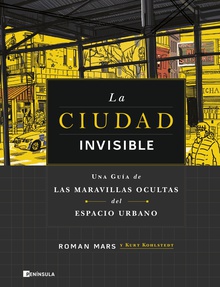
La ciudad invisible nos invita a explorar de manera inédita los edificios en los que vivimos, las calles que recorremos y las aceras por las que andamos, examinando los orígenes y otras historias fascinantes que hay detrás de todos aquellos objetos familiares que permiten el buen funcionamiento de nuestra sociedad, desde las redes eléctricas y las fuentes de agua, hasta las señales de las calles.Magníficamente ilustrado, este libro cautivará a cualquiera que sienta curiosidad por el diseño, el urbanismo y las maravillas desconocidas del mundo que les rodea.« La ciudad invisible pone de relieve el fascinante, pero a menudo ignorado, …
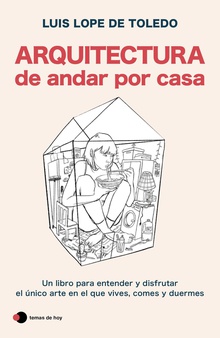
EDICIÓN ESPECIAL: INCLUYE FOTOGRAFÍAS DE LAS OBRAS A TODO COLOR.Vivimos rodeados por ella, pero apenas la notamos. De todas las artes, la arquitectura es quizá aquella de la que nos sentimos más alejados: la vemos en mansiones y monumentos y nos olvidamos de que nuestra vida ocurre literalmente dentro de ella.Este es un libro contra ese olvido. Contra una mirada tecnificada y aburrida de nuestro entorno. Porque la arquitectura es precisamente todo lo que nos rodea: lo que hace que nos sintamos a gusto en casa y determina cómo nos movemos por nuestros barrios. ¿Sabías que en Ibiza se levantó …
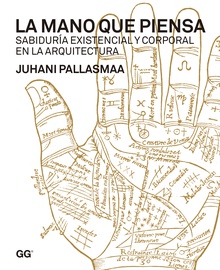
La mano que piensa analiza la esencia de la mano y su papel crucial en la evolución de las destrezas, la inteligencia y las capacidades conceptuales del hombre. La mano no es solo un ejecutor fiel y pasivo de las intenciones del cerebro, sino que tiene intencionalidad y habilidades propias. Su autor, Juhani Pallasmaa, hace hincapié en los procesos relativamente autónomos e inconscientes del pensamiento y el obrar en la escritura, la artesanía o en la producción de arte y arquitectura.
Organizado en ocho capítulos, este estudio explora el entendimiento silencioso que yace oculto en la parte existencial de la condición …