Paul Gauguin fue primero un marino y luego un exitoso corredor de bolsa en París. En 1874 comenzó a pintar los fines de semana, como pasatiempo. Nueve años después, tras la caída de la bolsa de valores, se sintió lo bastante confiado en su habilidad para ganarse la vida pintando, que renunció a su puesto y se dedicó a la pintura de tiempo completo. Siguiendo el ejemplo de Cézanne, Gauguin pintó naturalezas muertas desde el principio de su vida artística. Incluso poseía una naturaleza muerta de Cézanne, que aparece en el cuadro de Gauguin Retrato de Marie Lagadu. El año …
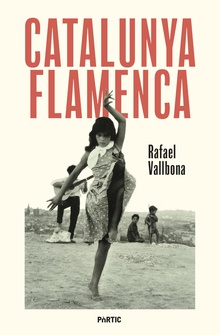
La vitalitat del flamenc a casa nostra narrat de prop, dels locals del XIX a Ciutat Vella fins a RosalíaEl flamenc és una música molt arrelada a Catalunya. De La Gitanilla al teatre de la Santa Creu l'any 1827 fins a la Rosalía d'avui, la cultura, el paisatge humà, l'ambient, la llibertat creativa i la moderna pedagogia musical han dotat el flamenc català d'una vitalitat oberta i original, amb artistes com Carmen Amaya, la Chana, Duquende, Chicuelo, Mayte Martín, Miguel Poveda, Ginesa Ortega, joves talents com Queralt Lahoz o Pere Martínez i episodis d'una especial brillantor com Los Tarantos de …
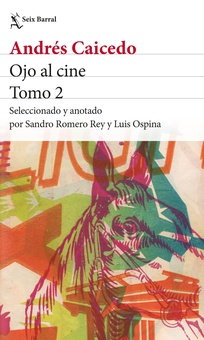
Una obra imprescindible para todos aquellos que han terminado prendados del estilo contundente de su autor.Ojo al cine reúne un conjunto de escritos delirantes y apasionados, casi poemas llenos de erudición y urgencia, tributo de un joven a aquello que Guillermo Cabrera Infante definiera como "un oficio del siglo XX".Convertido Andrés Caicedo en un curioso autor de culto, gracias la contundencia y a la fascinación de sus obras de ficción, poco a poco Ojo al cine se ha venido convirtiendo en una obra imprescindible para todos aquellos que han terminado prendados del estilo contundente de su autor.Hoy Andrés Caicedo sigue …
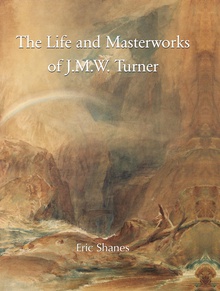
At fifteen, Turner was already exhibiting View of Lambeth. He soon acquired the reputation of an immensely clever watercolourist. A disciple of Girtin and Cozens, he showed in his choice and presentation of theme a picturesque imagination which seemed to mark him out for a brilliant career as an illustrator. He travelled, first in his native land and then on several occasions in France, the Rhine Valley, Switzerland and Italy. He soon began to look beyond illustration. However, even in works in which we are tempted to see only picturesque imagination, there appears his dominant and guiding ideal of lyric …
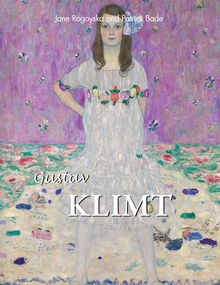
“I am not interested in myself as a subject for painting, but in others, particularly women…”Beautiful, sensuous and above all erotic, Gustav Klimt’s paintings speak of a world of opulence and leisure, which seems aeons away from the harsh, post-modern environment we live in now. The subjects he treats – allegories, portraits, landscapes and erotic figures – contain virtually no reference to external events, but strive rather to create a world where beauty, above everything else, is dominant. His use of colour and pattern was profoundly influenced by the art of Japan, ancient Egypt, and Byzantium. Ravenne, the flat, two-dimensional …
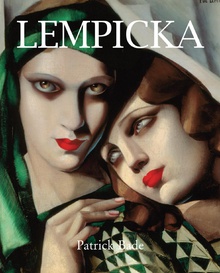
The smoothly metallic portraits, nudes and still lifes of Tamara de Lempicka encapsulate the spirit of Art Deco and the Jazz Age, and reflect the elegant and hedonistic life-style of a wealthy, glamorous and privileged elite in Paris between the two World Wars. Combining a formidable classical technique with elements borrowed from Cubism, Lempicka’s art represented the ultimate in fashionable modernity while looking back for inspiration to such master portraitists as Ingres and Bronzino. This book celebrates the sleek and streamlined beauty of her best work in the 1920s and 30s. It traces the extraordinary life story of this talented …
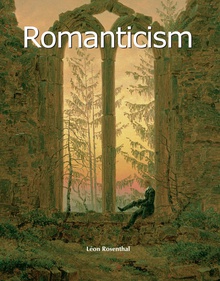
Romanticism was a reaction against the Neoclassicism that invaded the 19th century, and marked a veritable intellectual rupture. Found in the writings of Victor Hugo and Lord Byron, amongst others, its ideas are expressed in painting by Eugène Delacroix, Caspar David Friedrich and William Blake. In sculpture, François Rude indicated the direction this new artistic freedom would take, endowing his work with a movement and expression never previously seen. By retracing the different stages of its evolution, this book offers a study of the different aspects of the Romantic movement. Thanks to a thorough and in-depth analysis, the reader can …
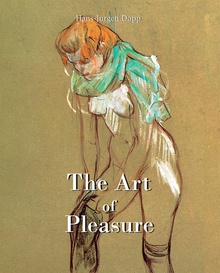
The new millennium offers perfect timing for publication of a large volume on the history of eroticism. Today, we paradoxically face both new freedoms and increasingly stereotyped language. Political correctness is the new norm and images now stand raised to the status of icons, especially images of women. In earlier millennia, women were goddesses or Holy Virgins, but today they are fashion models. This demotes Apollo into a male model or movie star. What happened to the insolence of the 18th-century libertines or the carefree excesses of the Belle Epoque and legalised brothels? Except for a handful of dusty outdated …