
"Quiero destacar el contenido del primer libro de Emilio, dedicado a su primer y más grande amor en la vida: la música. Curiosamente hay una canción que define esta pasión de mi hijo de principio a fin: Music, de John Miles, producida por Alan Parsons y que recomiendo a todos los lectores", del prólogo de Jaime Sánchez Cristo, padre del autor La pasión por la música, llevó a Emilio Sánchez Salamanca a entrevistar a sus grandes ídolos, a verlos en vivo, a estar en los principales escenarios del mundo -privilegios como ver a Michael Jackson en el Madison Square Garden de …

Este libro no aplica teorías al cine: piensa desde él. Propone 50 películas como espacios de interrogación, no para explicar, sino para mirar de otro modo. Sus autores —dos hermanos filósofos y docentes— convierten la experiencia cinematográfica en un ejercicio reflexivo, accesible y riguroso. No es un manual académico, sino una invitación a pensar con imágenes: sobre el tiempo, la identidad, el cuerpo o el sentido. No hace falta formación previa, solo disposición a detenerse ante una escena o un silencio. Porque filosofar también empieza con la mirada. Y el cine, cuando se vuelve pregunta, puede ser filosofía en acto.
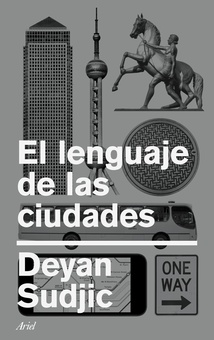
"Para dar sentido a una ciudad hemos de saber algo acerca de las personas que viven en ella, y de la gente que la construyó. Es necesario preguntarse cómo lo hicieron y por qué."Una ciudad está hecha por personas. Tiene una identidad distintiva, que consiste en mucho más que una aglomeración de edificios; clima, topografía y arquitectura forman parte de lo que crea esa distinción, al igual que sus orígenes. Lo apasionante es que todos estos elementos no siempre producen los mismos resultados: muchas ciudades tienen un río, pero el Sena es único, parte esencial de lo que hace París …


Vincent van Gogh’s life and work are so intertwined that it is hardly possible to observe one without thinking of the other. Van Gogh has indeed become the incarnation of the suffering, misunderstood martyr of modern art, the emblem of the artist as an outsider. An article, published in 1890, gave details about van Gogh’s illness. The author of the article saw the painter as “a terrible and demented genius, often sublime, sometimes grotesque, always at the brink of the pathological.” Very little is known about Vincent’s childhood. At the age of eleven he had to leave “the human nest”, …
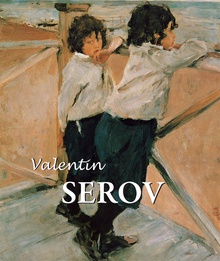
Among the “young peredvizhniki” who joined the World of Art group, the most brilliant portraitist was Valentin Serov. Like many of his contemporaries, he delighted in painting out of doors, and some of his most appealing portraits – such as Girl with Peaches, Girl in Sunlight and In Summer - owe their naturalness to their setting or to the interplay of sunlight and shadows. Indeed, Serov regarded them as “studies” rather than portraits, giving them descriptive titles that omitted the sitter's name. The subject of Girl with Peaches – painted when Serov was only twenty-two – was in fact Mamontov's …
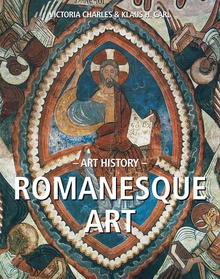
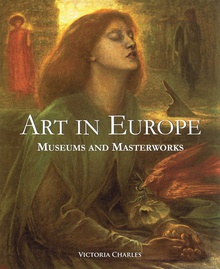

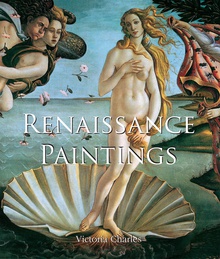
In utter contrast to the obscurity of the medieval period which preceded it, the rapid and unexpected arrival of the Renaissance conquered Europe during the 14th to the 16th centuries. Placing man at its centre, the actors of this illustrious movement radically altered their vision of the world and refocused their aesthetic pursuits towards anatomy, perspective, and the natural sciences. Creator of numerous talents, the Renaissance offered the history of art great names such as Botticelli, Raphael, and Leonardo da Vinci, whose glorious masterpieces still today hang on the walls of museums the world over.