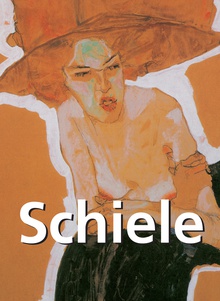
Egon Schiele (Tulln, 1890 – Vienne,1918) L’oeuvre d’Egon Schiele est tellement singulière qu’elle résiste à toute catégorisation. Admis à l’Académie des Beaux-Arts de Vienne dès l’âge de seize ans, ce fut un artiste extraordinairement précoce, dont le talent consommé pour le maniement de la ligne, plus que tout autre chose, conférait une tension expressive à toute son oeuvre. Profondément convaincu de sa propre importance en tant qu’artiste, Schiele réalisa plus de choses dans sa jeunesse, brutalement abrégée, que beaucoup d’artistes dans toute leur existence. Ses racines puisaient dans le Jugendstil du mouvement de la Sécession Viennoise. Comme toute sa génération, …

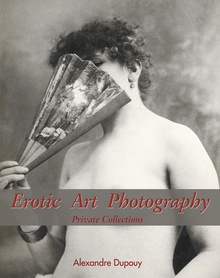
Seitdem Playboy und andere Illustrierte Fotografien des weiblichen Körpers für den modernen Massenmarkt erschlossen haben, hat die erotische Fotografie viel ihres künstlerischen Wertes eingebüßt. So wie die Malerei und die Bildhauerei stand aber auch sie einst im Dienste der künstlerisch anspruchsvollen Erotik. Diese Sammlung hier präsentiert erotische Bilder vom Beginn der Fotografie bis zum zweiten Weltkrieg und zeichnet die Entwicklung dieses zu Anfang primär französischen Genres nach, das so viel Misstrauen überwinden musste bis es ein größeres Publikum erreichte. Die Fotografien bringen den weiblichen Charme der Vergangenheit zurück und sein praktisches Format macht es zum idealen Geschenk.

Cinco años y 15.000 ejemplares después, Alejandra G. Remón presenta una edición actualizada de su exitosa ópera prima. «Un fragmento hecho de muchos fragmentos de su vida. [...] Ni hipérboles, ni dobles tintas, a Remón le gusta la frase clara, directa.» Tentaciones / El País Cuando nadie mira suceden las cosas, el silencio, el amor, lo imposible, la soledad y el desierto, las conversaciones de amantes, el coraje y el mar, la amistad, incluso los libros. Lo que pasa por nuestra cabeza cuando nadie mira...Alejandra G. Remón construye un universo íntimo donde reivindica la creación y una historia para vivirla con …
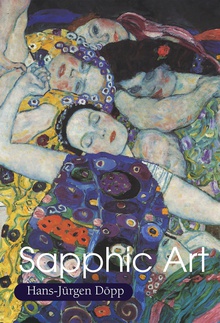
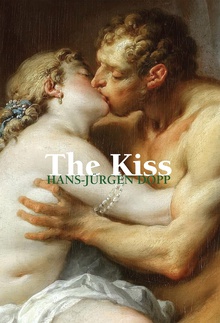
The poetess Sappho did not, in any way, facilitate the relationship between men and women, with her admirable Ode to Aphrodite which celebrates the love and sexuality between two women. With the liberalization of morals, female homosexuality is part of modern society and cannot be ignored. But what does history retain from these practices? How is the love between women appreciated? By infringing on the rules of past societies, how did these women live their particularity and their forbidden sexuality? This difficult exercise, undertaken by Professor Döpp, attempts to explain these censured pleasures, without inclining towards a certain voyeurism.
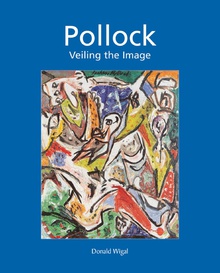
Born in 1912, in a small town in Wyoming, Jackson Pollock embodied the American dream as the country found itself confronted with the realities of a modern era replacing the fading nineteenth century. Pollock left home in search of fame and fortune in New York City. Thanks to the Federal Art Project he quickly won acclaim, and after the Second World War became the biggest art celebrity in America. For De Kooning, Pollock was the “icebreaker”. For Max Ernst and Masson, Pollock was a fellow member of the European Surrealist movement. And for Motherwell, Pollock was a legitimate candidate for …

This book presents a selection of oceanic charts dating from the 13th to the 17th century. Though to us they may appear rudimentary, they bear excellent witness to the achievements of the early European navigators, and to their determination to explore the very ends of the Earth. What the charts may lack in geographical accuracy they undoubtedly make up for in charm. And of course they are priceless historical records. Recounting the epic voyages of maritime exploration, from Erik the Red to Robert Peary, author Donald Wigal leads us on an exciting journey from Terra Incognita to the World As …

In his works, Hopper poetically expressed the solitude of man confronted to the American way of life as it developed in the 1920s. Inspired by the movies and particularly by the various camera angles and attitudes of characters, his paintings expose the alienation of mass culture. Created using cold colours and inhabited by anonymous characters, Hopper’s paintings also symbolically reflect the Great Depression. Through a series of different reproductions (etchings, watercolours, and oil-on-canvas paintings), as well as thematic and artistic analysis, the author sheds new light on the enigmatic and tortured world of this outstanding figure.
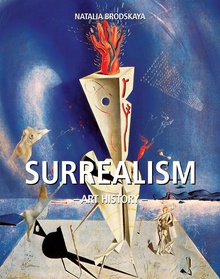
Arriving with a bang on the post-World War I scene, the Surrealists proclaimed a revolution of thought and creation, insisting on breaking away from the past and a world that had been left in ruins. This refusal to integrate into bourgeois society was also a leitmotiv of the Dada movement, a rebellious trait that led André Breton to say that Dadaism was “a machine had not thought to come up with new perspectives. It was this comment that gave birth to Surrealism. The Surrealists frequently collaborated with Dada artists on intellectual levels for which exclusivity had often become the general …