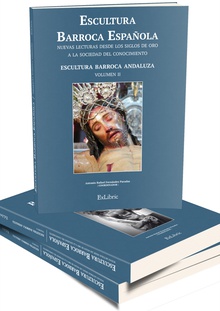
Como los grandes pintores, nosotros también queríamos hacer un gran libro, que por motivos de espacio y edición se ha convertido en tres, y sumando los granitos de arena de los treinta autores que lo componen, hemos creado un gran castillo de treinta y siete plantas/capítulos, con tres sedes, que nos cuentan una bonita historia barroca que se extiende desde finales del siglo XVI hasta ayer, cuando cualquier imagen, ya sea naturalista, barroca, clásico-barroca, preciosista, de Olot, de repoblación, popular, neo-barroca, neo-barroca gay, realista, hiperrealista, hipernaturalista, post Miñarro, post Zafra, post Buiza, post Duarte, post Suso de Marcos o 3D, …
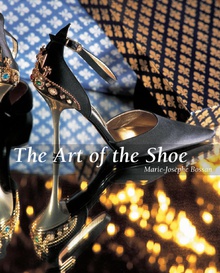
Abandoning a French look on the subject, Mrs. Bossan, the author, develops her study with a dichotomous vision: that of time that touches the history of mankind and that of geography and sociology, which lead to an almost ethnographic analysis. The author dissects the shoe and all that surrounds it: from its history to painting and literature. After this book, it will be difficult to publish a book with a more complete treatment of the subject. Illustrated with an iconography that is exceptional both for its aestheticism and the pieces chosen, this book is a reference for historians, sociologists and …

Chile, octubre de 1970. Un grupo de estudiantes del barrio alto santiaguino organiza un evento similar al de Woodstock que durará tres días y terminará bautizado como "Piedra Roja". Esta crónioca revela lo que pasaba en la sociedad chilena antes y después de aquel hecho que cambiaría para siempre la idea de "juventud". Registra los preparativos y la sorpresa de los organizadores al ver que llegaba mucha más gente de la prevista. Habla de las bandas que tocaron en el festival: como Los Jaivas y Los Blops. de los que se drogaron. De los que fueron a ver a otros …
El trabajo presentado como Tesis Doctoral se propone un examen pormenorizado de la historia del Museo Nacional de Bellas Artes de La Habana y su colección de retratos de la pintura española del siglo XIX. Esta institución atesora una importante colección de pintura europea de ese período y, particularmente la pintura española decimonónica destaca por el gran volumen y el valor de sus piezas. Así, analizamos los retratos ejecutados por artistas de la talla de Vicente López Portaña (1772-1850), José de Madrazo y Agudo (1781-1859), José Gutiérrez de la Vega (1791-1865), Antonio María Esquivel y Suárez de Urbina (1806-1857), Federico …
El modelo H2PAC resuelve propuestas clave a partir de ACTIVIDADES. Esta forma de aprendizaje parte de un RETO: la actividad que deberás resolver. Para ello te facilitamos un contenido teórico, EL CONOCIMIENTO IMPRESCINDIBLE, que te ayudará a entender los conceptos esenciales para poder afrontar el desafío planteado inicialmente. Además del contenido teórico, el modelo también te facilita LAS SOLUCIONES, una propuesta de resolución del reto expuesto. En este libro se presentan de manera clara los aspectos esenciales para desarrollar ideas publicitarias diferentes, creativas y eficaces. Desde la estrategia y el concepto hasta la idea en sí. Todo ello mediante diferentes …
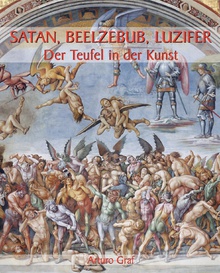
„Der Teufel hält die Fäden, die uns bewegen!“ (Charles Baudelaire, Die Blumen des Bösen, 1857.) Satan, Beelzebub, Luzifer… der Teufel hat viele Namen und Gesichter; sie alle haben Künstlern stets als Inspirationsquelle gedient. Bilder von Teufeln wurden oftmals von kirchlichen Personen von hohem Rang in Auftrag gegeben, um, je nach Gesellschaft, mit Bildern der Furcht oder Ehrfurcht und mit Darstellungen der Hölle die Gläubigen zu bekehren und sie auf den von ihnen propagierten rechten Pfad der Tugend zu geleiten. Für andere Künstler, wie z. B. Hieronymus Bosch, waren sie ein Mittel, um den völligen moralischen Verfall seiner Zeit anzuprangern. Auf …
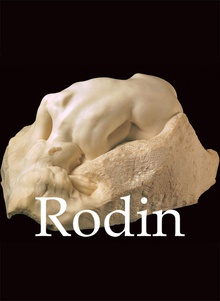
Auguste Rodin (1840-1917) intensiviertseine zeichnerische Tätigkeit als etwa 10-Jähriger und besucht ab 1854 in der Zeichen- und Mathematikschule La Petite ÉcoleKurse von Henri Lecoq de Boisbaudran (1802-1897) und des MalersJean-Hilaire Belloc (1786-1866). Dort entdeckt er für sich die Bildhauerei. Er verlässt 1857diese Schule und versucht, an der berühmten École nationale supérieure des beaux-artsaufgenommen zu werden, scheitert aber dreimal.Ab 1864 beginnt eineachtjährige Zusammenarbeit mit dem Bildhauer Albert-Ernest Cartier-Belleuse (1824-1887), der sich eine 1873 Kooperation mit dem belgischen Bildhauer Antoine-Joseph van Rasbourgh (1831-1902) anschließt. Zu seinen ersten großen Werken zählen u. a. Der Mann mit der gebrochenen Nase(1864), die später vom französischen …
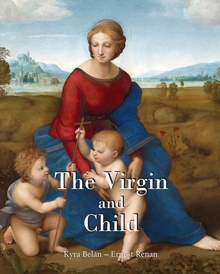
The Virgin and the Child are amongst the most favourite artistic themes since the Middle Ages. Mary was frequently depicted with the Christ Child.This religious scene showcases a mother and her son, sometimes accompanied by other protagonists. Originally distant and formal, the relationship between the two figures was expressed with tendernessat the end of the Middle Ages and became more human. Amongst the famous artists who have treated the subject of the Virgin and the Child are, most notably, Cimabue, Jean Fouquet, Quentin Metsys, Botticelli, Leonardo da Vinci, Raphael, Rubens, and many others. 300 pictures and more than 500 pages …
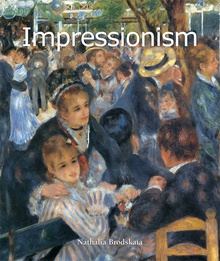
“I paint what I see and not what it pleases others to see.” What other words than these of Édouard Manet, seemingly so different from the sentiments of Monet or Renoir, could best define the Impressionist movement? Without a doubt, this singularity was explained when, shortly before his death, Claude Monet wrote: “I remain sorry to have been the cause of the name given to a group the majority of which did not have anything Impressionist.” In this work, Nathalia Brodskaïa examines the contradictions of this late 19th-century movement through the paradox of a group who, while forming a coherent …
Amsterdam ist nicht nur für seine Grachten oder seine beeindruckenden Sammlungen mit Meisterwerken Rembrandts, Vermeers und van Goghs bekannt, sondern auch für sein der Venus gewidmetes Museum, das jährlich mehr als 500 000 Besucher anzieht. Reisende aus der ganzen Welt strömen in diesen „Tempel der Venus“ gleich neben dem Hauptbahnhof. Seit 1985 von Monique van Marle und ihrem Vater geleitet, ist diese Sammlung erotischer Kunstwerke in der Qualität ihrer Objekte, Drucke und alten Fotografien einzigartig. Abgesehen vom Voyeurismus, bietet dieses Museum eine außergewöhnliche Ausstellungsfläche für die Geschichte der erotischen Kunst. Begleiten Sie den Autor auf seiner Führung, die nicht nur …
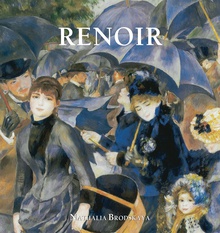
Pierre-Auguste Renoir nació en Limoges, el 25 de febrero de 1841. En 1854, sus padres lo sacaron de la escuela y le consiguieron un sitio en el taller de los hermanos Lévy, donde aprendió a pintar porcelana. El hermano menor de Renoir, Edmond, opinó al respecto: “A partir de lo que pintaba al carbón en las paredes concluyeron que tenía habilidad para las artes. Así fue como nuestros padres lo pusieron a aprender el oficio de pintor de porcelana”. Uno de los trabajadores de los Lévy, Emile Laporte, pintaba al óleo en su tiempo libre. Él le sugirió a Renoir …