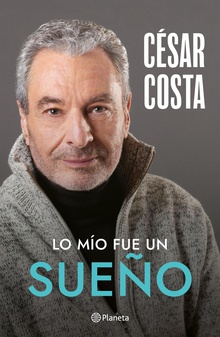
«Quiero contarles mis vivencias y aventuras en la música, el cine y la televisión, y compartirles el sentimientos de que, en un medio tan difícil y descarnado como lo puede ser el artísitico, se puede llegar pleno, tranquilo y satisfecho a mi edad»César Costa fue pionero del rock and roll mexicano con el grupo musical Black Jeans; actor en la inolvidable serie de televisión Papá soltero; conductor y director general de Un nuevo día; y causante de múltiples risas como protagonista de La carabina de Ambrosio. Con un sinfín de anécdotas, César Costa es el personaje más entrañable de los …
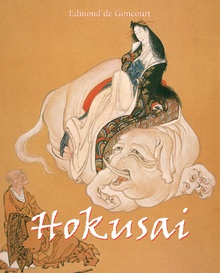
Without a doubt, Katsushika Hokusai is the most famous Japanese artist since the middle of the nineteenth century whose art is known to the Western world. Reflecting the artistic expression of an isolated civilisation, the works of Hokusai - one of the first Japanese artists to emerge in Europe - greatly influenced the Impressionist and Post-Impressionist painters, such as Vincent van Gogh. Considered during his life as a living Ukiyo-e master, Hokusai fascinates us with the variety and the significance of his work, which spanned almost ninety years and is presented here in all its breadth and diversity.
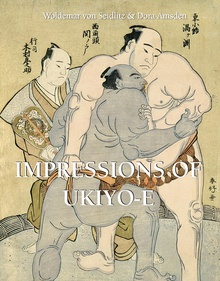
Ukiyo-e (‘pictures of the floating world’) is a branch of Japanese art which originated during the period of prosperity in Edo (1615-1868). Characteristic of this period, the prints are the collective work of an artist, an engraver, and a printer. Created on account of their low cost thanks to the progression of the technique, they represent daily life, women, actors of kabuki theatre, or even sumo wrestlers. Landscape would also later establish itself as a favourite subject. Moronobu, the founder, Shunsho, Utamaro, Hokusai, and even Hiroshige are the most widely-celebrated artists of the movement. In 1868, Japan opened up to …
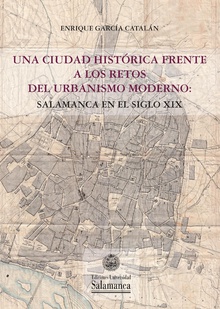
Nuevas maneras de pensar, examinar y actuar en materia urbanística durante el siglo XIX marcaron un punto de inflexión en el desarrollo de las ciudades por toda Europa. En Salamanca, los protagonistas implicados en este proceso afrontaron la difícil tarea de intervenir en un núcleo urbano histórico, tejido a base de calles estrechas y edificios monumentales. El conflicto fue resuelto con polémicas intervenciones, destacando aquellas que afectaron a las principales infraestructuras, vías y nudos de comunicación, desde la muralla y el puente Mayor, hasta las calles de la Rúa, San Pablo, Toro o la Plaza Mayor y demás plazas satélites. …
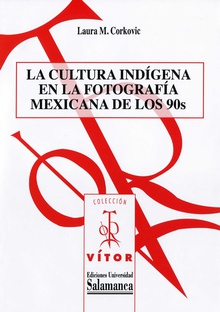
Desde sus inicios la fotografía en México ha sido un género artístico dominado por no indígenas y la cultura indígena una constante temática dentro de la misma. No fue hasta los 1990s cuando surgieron los primeros grupos de fotógrafos indígenas profesionales que además de tener gran éxito en México, lograron atención y reconocimiento a nivel internacional. Con sus trabajos enriquecen la visión de los fotógrafos no indígenas conocida hasta entonces y dan nuevo rumbo a la presencia del mundo indígena en la fotografía mexicana. En esta tesis doctoral decidí poner en directa comparación ambos grupos de artistas para así subrayar …
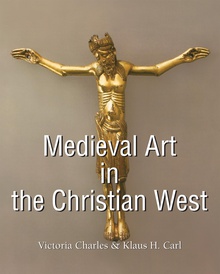
September 4, 476 A. D. marked the end of the Western Roman Empire. After several centuries of prosperity, Europe sank into chaos. With Charlemagne, a new dynamic begins that of a civilising reconstruction. The Romanesque period is part of the rediscovery of this Roman Empire, lost in memories, but living on in the architectural testimonies of the cities and the countryside. In art history, Romanesque art refers to the period between the beginning of the 11th and the end of the 12th century. This era was characterised by a great diversity of regional schools, each practising their own unique style. …

“I am not interested in myself as a subject for painting, but in others, particularly women…”Beautiful, sensuous and above all erotic, Gustav Klimt’s paintings speak of a world of opulence and leisure, which seems aeons away from the harsh, post-modern environment we live in now. The subjects he treats – allegories, portraits, landscapes and erotic figures – contain virtually no reference to external events, but strive rather to create a world where beauty, above everything else, is dominant. His use of colour and pattern was profoundly influenced by the art of Japan, ancient Egypt, and Byzantium. Ravenne, the flat, two-dimensional …
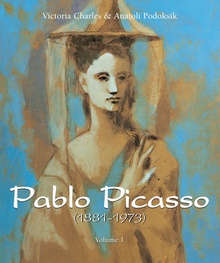
For many people, Pablo Picasso (1881-1973) was undoubtedly the most important artist of the 20th century. Born in Málaga, Spain, Picasso revealed his genius at a very early age and was quick to make contact with the most advanced art circles of his time, first in Barcelona and later in Paris. In the modernist quest for novelty, Picasso turned to pre-modern history and ÂprimitiveÊ art for inspiration. We owe him and his colleague Georges Braque the invention of Cubism, not just one of many avant-garde movements but the aesthetic that would change the art of painting forever. Once free from …
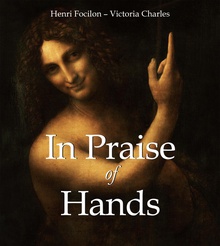
To speak about art is to evoke the hand of the creator who produced the work. It is to confer to its gestures the importance of thoughts and to explore their point of convergence on the canvas or the stone. With this text, Henri Focillon delivers one of the most beautiful odes to the hand and, simultaneously, to the talent of artists, studying Hokusai, Cézanne, and even Rodin. What do artists such as Rembrandt, David, Gauguin, and Hokusai have in common? A virtuosity of the hand, replies Henri Focillon. The viewer often forgets that behind the works, it is first …
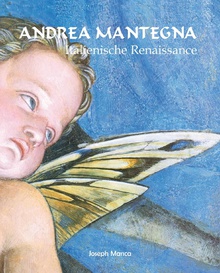
Als Humanist, Geometer und Archäologe ein Mann von herausragender Intelligenz und Phantasie, übte Mantegna dank seiner imposanten Persönlichkeit eine starke Wirkung aus. Er experimentierte mit optischer Illusion und war ein Meister der Perspektive. Seine Ausbildung als Maler erhielt er an der Schule von Padua, zu deren früheren Schülern Donatello und Uccello gehörten. Schon im jungen Alter wurde er mit Aufträgen überhäuft. Berühmt aus dieser Zeit sind seine Ovetari-Fresken in der Eremitani-Kirche in Padua. Innerhalb kürzester Zeit fand Mantegna dank seiner originellen Ideen eine Nische als “moderner” Maler. Seine Eheschließung mit Nicolosia Bellini, Schwester von Giovanni, öffnete ihm die Tore nach …
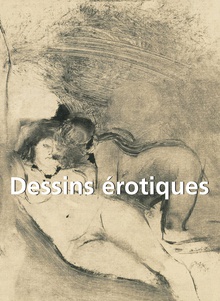
De Michel-Ange à Rubens, de Degas à Picasso, l’érotisme a toujours attiré les grands maîtres de l’art, qui créèrent des œuvres parmi les plus captivantes. Malgré et peut-être même à cause de cette attirance, les œuvres d’art érotiques ont provoqué des controverses dès qu’elles ont existé, devant se défendre face aux accusations de pornographie. Ce livre guide les lecteurs des premières représentations de scènes érotiques datant des XVIe et XVIIe siècles aux incontournables symboles contemporains, tels que les esquisses du carnet de dessin de Picasso, qui indiquent une grande variété de styles et de techniques.