Michelangelo, like Leonardo, was a man of many talents; sculptor, architect, painter and poet, he made the apotheosis of muscular movement, which to him was the physical manifestation of passion. He moulded his draughtsmanship, bent it, twisted it, and stretched it to the extreme limits of possibility. There are not any landscapes in Michelangelo's painting. All the emotions, all the passions, all the thoughts of humanity were personified in his eyes in the naked bodies of men and women. He rarely conceived his human forms in attitudes of immobility or repose. Michelangelo became a painter so that he could express …
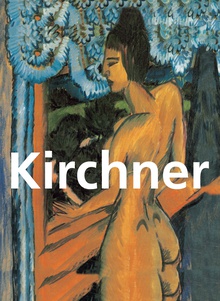
Ernst Ludwig Kirchner (Aschaffenburg, 1880 – Frauenkirch, 1938) «Leader » autoproclamé du groupe d’artistes die Brücke (Pont), fondé à Dresde en 1905, Ernst Ludwig Kirchner, joua un rôle central dans les premiers développements de l’expressionnisme allemand (fig.186). Ses premières oeuvres révèlent l’influence de l’Impressionnisme, du postimpressionnisme et du Jugendstil, mais dès 1909, Kirchner peignait d’une manière distinctive et expressive grâce à un coup de pinceau audacieux, mais détendu, des couleurs vives et non naturalistes, et des gestes intenses. Il travaillait dans son atelier à partir d’esquisses réalisées très rapidement, souvent à partir de figures mouvantes, de scènes inspirées de la …
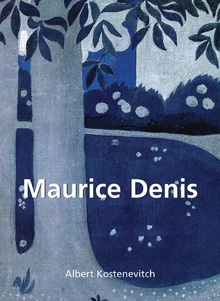
Artiste peintre, décorateur et graveur français, Maurice Denis (1870-1943) fut le chef de file du mouvement Nabi qui ébranla le milieu artistique. Alliant avec finesse religion et modernité, il fut le pionnier et le théoricien de l’école néo-traditionniste qui aspirait à un art moderne empreint d’inspirations symboliste et mystique. « Se rappeler qu’un tableau, avant d’être un cheval de bataille, une femme nue ou une quelconque anecdote, est essentiellement une surface plane recouverte de couleurs en un certain ordre assemblées », par cette définition de son mouvement, il révolutionna l’art moderne et déposa les premiers jalons de l’art abstrait.
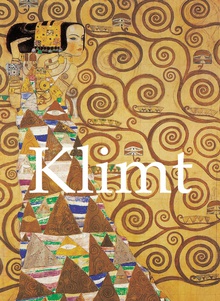
Gustav Klimt (1862-1918) war zum Ende des 19. Jahrhunderts nicht nur einer der einflussreichsten Künstler, sondern gründete zudem die Bewegung der Wiener Secession. Mithilfe dieser Bewegung übte er Kritik an der traditionellen Kunst, die sich durch ihren Widerstand gegen Veränderungen sowie Intoleranz gegenüber bestimmten modernen Vorstellungen auszeichnete. Klimt ließ sich durch den langsamen aber sicheren Niedergang sowie die Vielfalt der Kulturen der Österreichisch-Ungarischen Monarchie inspirieren. Bei Klimt spielten Erotik und Sinnlichkeit eine sehr große Rolle, und neben Schiele und Kokoschka zählte er zu den großen Meistern des Expressionismus. Das vorliegende Buch vereint eine erlesene Auswahl Klimts bekanntester Gemälde und einen …
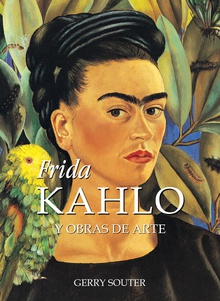
Detrás de los retratos de Frida Kahlo se ocultan tanto la historia de su vida como la de su obra. Es precisamente esta combinación la que atrae al espectador. La obra de Frida es un testimonio de su vida. Pocas veces se puede aprender tanto acerca de un artista con sólo contemplar lo que él inscribe dentro del marco de sus cuadros. Frida Kahlo es sin lugar a dudas la ofrenda de México a la historia del arte. Tenía apenas dieciocho años cuando un terrible accidente cambió su vida para siempre, dejándola discapacitada y agobiada de un dolor físico permanente. …
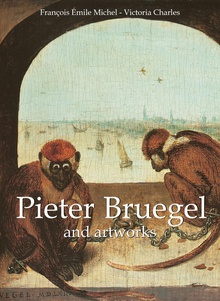
Pieter Brueghel was the first important member of a family of artists who were active for four generations. Firstly a drawer before becoming a painter later, he painted religious themes, such as Babel Tower, with very bright colours. Influenced by Hieronymus Bosch, he painted large, complex scenes of peasant life and scripture or spiritual allegories, often with crowds of subjects performing a variety of acts, yet his scenes are unified with an informal integrity and often with wit. In his work, he brought a new humanising spirit. Befriending the Humanists, Brueghel composed true philosophical landscapes in the heart of which …