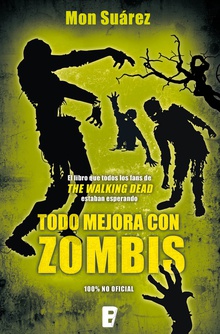
Un libro-homenaje a The Walking Dead y a los libros, películas y series sobre esos seres maravillosamente putrefactos. Para todos aquellos que saben que una buena historia siempre mejora con zombis.
«Todos somos comida para alguien.» Carl Grimes
¿Cómo verías los sucesos tras el apocalipsis zombi si tú fueras el que tiene que escapar de los vivos y no al revés? ¿Te gusta la serie del momento y quieres saber más sobre ella desde un punto de vista diferente?
Todas las historias tienen un comienzo y The Walking Dead no podía ser menos. En este libro, Mon …
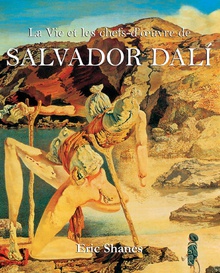
Dalí, Salvador (Figueras, 1904 – Torre-Galatea, 1989). Peintre, artiste, créateur d’objets, écrivain et cinéaste, il est connu du public comme un des représentants majeur du surréalisme. Buñuel, Lorca, Picasso, Breton… : ces rencontres constituent autant d’étapes dans la carrière de Dalí. Réalisé avec Buñuel, le film Un chien andalou marque son entrée officielle dans le groupe des surréalistes parisiens où il rencontre Gala, la femme d’Éluard, qui deviendra sa compagne et son inspiratrice. Entre cet artiste éclectique et provocateur et les surréalistes parisiens, les relations se tendront progressivement à partir de 1934 jusqu’à la rupture avec Breton, cinq ans plus …
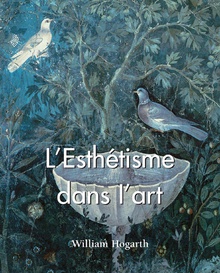
William Hogarth a rédigé son Analyse de la Beauté en 1753, dans le contexte des Lumières. À travers ce texte captivant, il s'attarde sur une définition de la notion de beauté en peinture. Affirmant qu'elle est intrinsèquement liée à l'usage de la ligne serpentine dans les compositions picturales, il baptise cette dernière "ligne de la beauté". Son essai est consacré à une étude de la composition des toiles, dépendant d'une utilisation correcte des lignes picturales, de la lumière, de la couleur et des attitudes des personnages. Ces concepts intemporels ont été appliqués par de nombreux artistes au fil des siècles. …
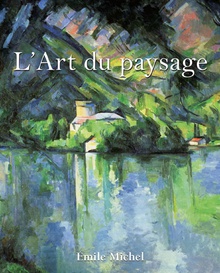
Longtemps considéré comme la simple toile de fond d'une oeuvre, le paysage a dépassé la peinture religieuse et la peinture d'histoire pour devenir un genre à part entière. Si, pour les artistes, la nature a longtemps servi d'exercice et de décors aux sujets, elle a finalement été étudiée et intégrée dans leurs oeuvres comme un témoignage de l'étude éclairée et scientifique du monde. Qu'il soit classique, romantique, impressionniste, post-impressionniste ou postmoderne, ce genre pictural ne cesse d'attirer les artistes qui y trouvent une source intarissable d'inspiration. Giorgione, les Bruegel, Le Lorrain, Poussin, Turner ou encore Constable, pour ne citer que …
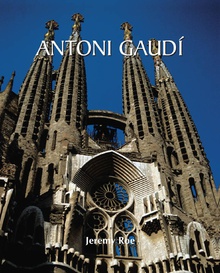
Antoni Gaudí (1852-1926), Architekt und Künstler aus Barcelona, nimmt einen bedeutenden Platz in der Geschichte der spanischen Gegenwartskunst ein. Sein Umgang mit Farbe, die Verwendung verschiedener Materialien und die Einführung von Bewegung in seine Konstruktionen sind Innovationen auf dem Gebiet der Architektur. Antoni Gaudí hat in seinen Notizbüchern viele seiner Überlegungen zu seiner Kunst festgehalten: “Die Farbe in der Architektur muss intensiv, logisch und fruchtbar sein.” Indem er sich auf zahlreiche Photographien und detailgenaue architektonische Abbildungen stützt, ermöglicht der Autor Jeremy Roe eine Annäherung an den Kontext der barcelonesischen Kunst und präsentiert eine sorgfältig verfasste Kritik der Bauten, der Designobjekte …
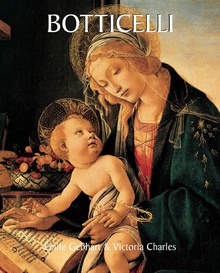
He was the son of a citizen in comfortable circumstances, and had been, in Vasari’s words, “instructed in all such things as children are usually taught before they choose a calling.” However, he refused to give his attention to reading, writing and accounts, continues Vasari, so that his father, despairing of his ever becoming a scholar, apprenticed him to the goldsmith Botticello: whence came the name by which the world remembers him. However, Sandro, a stubborn-featured youth with large, quietly searching eyes and a shock of yellow hair – he has left a portrait of himself on the right-hand side …
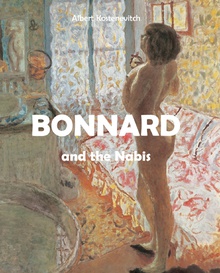
Pierre Bonnard was the leader of a group of post-impressionist painters who called themselves the Nabis, from the Hebrew word meaning ‘prophet’. Bonnard, Vuillard, Roussel and Denis, the most distinguished of the Nabis, revolutionized the spirit of decorative techniques during one of the richest periods in the history of French painting. Influenced by Odilon Redon and Puvis de Chavanne, by popular imagery and Japanese etchings, this post-impressionist group was above all a close circle of friends who shared the same cultural background and interests. An increasing individualism in their art often threatened the group’s unity and although tied together by …
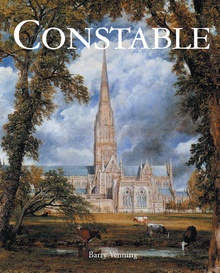
John Constable was the first English landscape painter to take no lessons from the Dutch. He is rather indebted to the landscapes of Rubens, but his real model was Gainsborough, whose landscapes, with great trees planted in well-balanced masses on land sloping upwards towards the frame, have a rhythm often found in Rubens. Constable’s originality does not lie in his choice of subjects, which frequently repeated themes beloved by Gainsborough. Nevertheless, Constable seems to belong to a new century; he ushered in a new era. The difference in his approach results both from technique and feeling. Excepting the French, Constable …
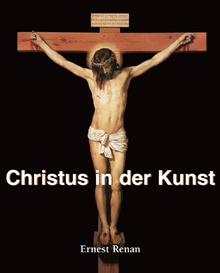
Seit der Geburt des Christentums sind Künstler fasziniert von Christus. Sein Abbild erscheint auf Fresken in Katakomben aus der Römerzeit, auf Buntglasscheiben in gotischen Kirchen sowie in verschiedenen Darstellungen in der heutigen Pop-Kultur. Der biblische Erlöser ist keine statische, körperlose Gottheit: Christi Geburt, sein ungewöhnliches Leben und sein dramatischer Tod machen ihn zu einem interessanten Motiv für religiöse und säkulare Künstler. Ob sie die Geistlichkeit des Leibhaftigen oder die menschlichen Charakteristika eines Mannes aus Fleisch und Blut zeigen, künstlerische Darstellungen Christi sind die umstrittensten, bewegendsten oder inspirierendsten Beispiele religiöser Kunst. Dieses reich illustrierte Buch erforscht verschiedene christliche Darstellungen, von Cimabues …