

Fashion (R)Evolution es un apasionante viaje a través de la moda, desde su pasado más reciente hasta el presente, con una visión hacia el futuro próximo, donde destaca como fuerza positiva para el cambio social y medioambiental. Su autora, Charo Izquierdo, comenzó su carrera en la redacción de una revista de moda cuando tenía solo veinte años y llegó a dirigir las publicaciones y pasarelas de moda más importantes del país. Esto le otorga una perspectiva única sobre los cambios ocurridos en la industria. En estas páginas se explora la evolución que ha experimentado la moda en toda su cadena …

Comprender los retos del mundo empresarial y afrontar el desarrollo de nuevas soluciones requiere de un ingrediente básico: la creatividad. Sin embargo, no basta con ser o querer ser creativo… ¡hay que saber entrenar esta capacidad e implantarla para obtener resultados! Es decir, necesitamos de un proceso que nos guíe en el camino y las armas necesarias para salir airosos. Designpedia es un manual imprescindible sobre Design Thinking que recopila todas las herramientas con las que llevar a cabo los retos de la innovación y el emprendimiento en torno a cuatro fases: mapear, explorar, construir y testear. Y que además …


Manuel Carreño nació en una familia de clase media alta bogotana. Desde que tiene memoria en su casa sonaba música. No la música que le gustaría en la adultez, por supuesto, pero entre boleros, rancheras y canciones ochenteras de Menudo, poco a poco descubrió el rockandroll como un paraguas que lo salvaría siempre de tiempos difíciles. Entre lluvias y días de sol, este libro se lee cantando: a veces de dolor porque la vida está hecha de eso, pero también de ternura y compasión por los amigos y la vida compartida. En este bellísimo recuento atravesado por canciones, amores, …

Perspectivas etnográficas y fotografías raras de principios del siglo XX Este volumen excepcional reúne fotografías de archivo inéditas del Museo Etnológico de San Petersburgo junto con un texto etnográfico profundo que ilumina los mundos espirituales de los chamanes de Siberia y Corea. Captadas a comienzos del siglo XX, estas imágenes son testimonio de una época en la que el ritual, el mito y la vida cotidiana estaban estrechamente entrelazados. A través de comentarios detallados e ilustraciones vívidas, el libro explora las cosmologías chamánicas, las prácticas ceremoniales, los rituales de sanación y el papel social de los chamanes en sus comunidades. …

The seascapes of Ivan Aivazovsky (1817-1900) made his name in Russia, his native country where he was a painter of the court of Nicholas I, yet his fame barely extended beyond these borders. Master of the Sublime, he made the ocean the principal subject of his work. Sometimes wild and raging, sometimes calm and peaceful, the life of the ocean is composed of as many allegories as the human condition. Like Turner, whom he knew and whose art he admired, he never painted outside in nature, nor did he make preliminary sketches; hispaintings were the fruit of his exceptional memory. …

Si el alma es un concepto cristiano, la belleza es un concepto griego. Freud definió la estética como la construcción intelectual de los parámetros personales que se expresan en emociones sublimes. En la escultura griega, el hombre se vuelve Dios, y los dioses le prestan su imagen a la humanidad. Al desafiar las leyes de la gravedad, los escultores griegos exploraron la armonía, las formas y los espacios que modelaron nuestro inconsciente de acuerdo con los cánones de la belleza eterna durante más de dos mil años. El historiador del arte Edmund von Mach reflexiona sobre la historia épica de …
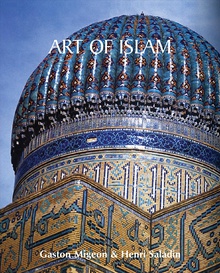
Islamic art is not the art of a nation or of a people, but that of a religion: Islam. Spreading from the Arabian Peninsula, the proselyte believers conquered, in a few centuries, a territory spreading from the Atlantic to the Indian Ocean. Multicultural and multi-ethnical, this polymorphic and highly spiritual art, in which all representation of Man and God were prohibited, developed canons and various motives of great decorative value. Thorough and inventive, these artists expressed their beliefs by creating monumental masterpieces such as the Al-Aqsa mosque in Jerusalem, the Taj Mahal in Agra and the Alhambra in Granada, architectural …
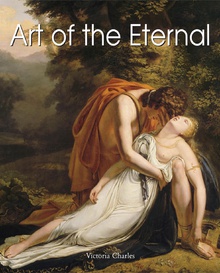
Since the first funerary statues were placed in the first sepulchres, the ideas of death and the afterlife have always held a prominent place at the heart of the art world. An unlimited source of inspiration where artists can search for the expression of the infinite, death remains the object of numerous rich illustrations, as various as they are mysterious. The ancient Egyptian Book of the Dead, the forever sleeping statues on medieval tombs, and the Romantic and Symbolist movements of the 19th century are all evidence of the incessant interest that fuels the creation of artworks featuring themes of …
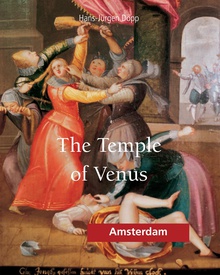
Amsterdam rejoices in more than simply its famous canals and its celebrated collections of the works of Rembrandt, Vermeer and Van Gogh. It has a museum dedicated to the Goddess of Love, which welcomes no fewer than 500,000 visitors a year. From all over the world people come in their thousands to this unusual establishment known as “The Temple of Venus”. First put on display together in 1985 by Monique van Marle and her father, this collection of erotic works is exceptional for the quality of the objects exhibited, its engravings and its photographs of yesteryear. Far from being a …
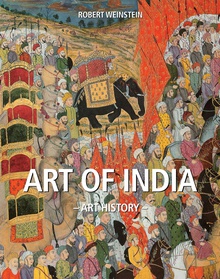
India, with its extensive and colourful history, has produced an artistic tradition in many forms. Architecture, painting, sculpture, calligraphy, mosaics, and artisan products all display the country's cultural, religious, and philosophical richness. From Hinduism, with its pantheon of imagery of gods, goddesses, animals, and many other figures, to Islam, with its astounding architecture and intricate calligraphy; the many facets of India have given rise to a fascinating and beautiful collection of artworks. Featuring incredible images and a text written by a renowned scholar on the subject, this work offers an in-depth look at the masterpieces of India, showcasing this fascinating …