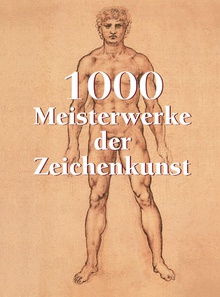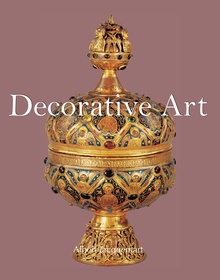
From the Middle Ages to contemporary times, decorative art can be defined by the artistic materials, designs and objects used in both architecture and interior design. Similar to many art forms decorative art continues to evolve, originating with pieces as simple as a chair, noted for its utility, to purely ornamental objects, celebrated for their aesthetic beauty. Decorative Art aims to eulogize these often undervalued objects by giving praise to all mediums of decorative art throughout the centuries. Originally never considered as fine art, their artistic potential was not acknowledged until the twentieth century when industrial production replaced artisanal creation. …

Gothic art finds its roots in the powerful architecture of the cathedrals of northern France. It is a medieval art movement that evolved throughout Europe for more than 200 years. Leaving curved Roman forms behind, the architects started using flying buttresses and pointed arches to open cathedrals to the daylight. A period of great economic and social change, the gothic era also saw the development of a new iconography celebrating the Holy Mary, in contrast to the fearful themes of dark Roman times. Full of rich changes in all the different arts (architecture, sculpture, painting, etc.), Gothic art gave way …
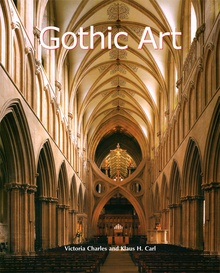
Gothic art finds its roots in the powerful architecture of the cathedrals of northern France. It is a medieval art movement that evolved throughout Europe over more than 200 years. Leaving curved Roman forms behind, the architects started using flying buttresses and pointed arches to open up cathedrals to daylight. A period of great economic and social change, the Gothic era also saw the development of a new iconography celebrating the Holy Mary – in drastic contrast to the fearful themes of dark Roman times. Full of rich changes in all of the various art forms (architecture, sculpture, painting, etc.), …
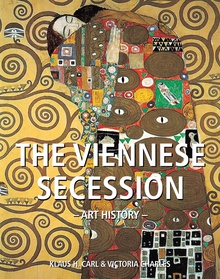
Influenced by Art Nouveau, this movement (created in 1897 by Gustav Klimt, Carl Moll, and Josef Hoffmann) was not an anonymous artistic revolution. Defining itself as a “total art”, without any political or commercial constraint, the Viennese Secession represented the ideological turmoil that affected craftsmen, architects, graphic artists, and designers from this period. Turning away from an established art and immersing themselves in organic, voluptuous, and decorative shapes, these artists opened themselves to an evocative, erotic aesthetic that blatantly offended the bourgeoisie of the time. Painting, sculpture, and architecture are addressed by the authors and highlight the diversity and richness …
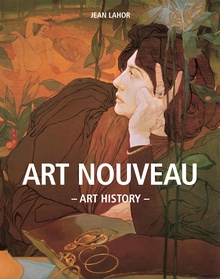
Art Nouveau designates a decorative and architectural style developed in the 1880s and 1890s in the West. Born in reaction to the Industrial Revolution and to the creative vacuum it left behind, Art Nouveau was at the heart of a "renaissance" in the decorative arts. The primary objective of the movement was the creation of a new aesthetic of nature through a return to the study of natural subjects. In order to achieve this, such artists as Gustav Klimt, Koloman Moser, Antoni Gaudí, Jan Toorop, and William Morris favoured innovation in technique and novelty of forms. After its triumph at …
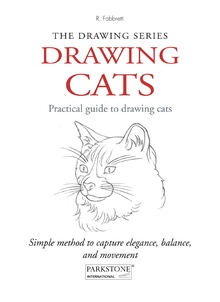
Graceful, mysterious, and endlessly fascinating, the cat has inspired artists across every era from the sacred feline statues of Ancient Egypt to the delicate sketches of Steinlen and Foujita. This book invites you to rediscover the art of the cat through a series of clear, progressive drawing studies. Each page guides you step by step, helping you to capture the subtle movement of a tail, the poised tension of a resting body, or the silent power of a feline leap. With simple methods and patient observation, anyone can learn to express the beauty and character of these elegant companions. Whether …
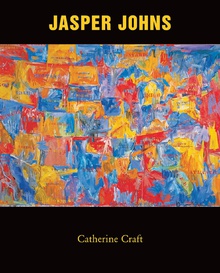
Zu einer Zeit, als der abstrakte Expressionismus die amerikanische Malkunst beherrscht und die Betonung auf kühnen Farben, einem fast brutalen malerischen Duktus und zumeist abstrakten Kompositionen liegt, beschreitet Jasper Johns mit seinen amerikanischen Flaggen, Schießscheiben, Zahlen und Buchstaben ganz eigene Wege. Obwohl - oder weil - er seine Bilder offensichtlich mit großer Sorgfalt und Präzision malt, wirken sie zurückhaltend, kühl und ruhig, ja, distanziert und jedenfalls weit entfernt von den emotionalen Feuerwerken vieler seiner berühmten Zeitgenossen. „Es begann damit, dass ich ein Bild der amerikanischen Fahne malte. Durch die Verwendung dieses Designs sparte ich mir Arbeit, ich musste nichts Eigenes …
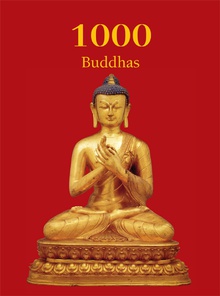
Alle lebendigen Wesen sind Buddhas und verfügen über Weisheit und Tugend.„ (Buddha) Buddha zählt zu den am häufigsten dargestellten Heiligenfiguren der gesamten Welt, vielleicht ist er sogar häufiger als der in der westlichen Kunst so wichtige Christus abgebildet worden. Buddha wird in ganz Asien und weit darüber hinaus verehrt. Sein Bild nahm an der Seidenstraße, dem Geburtsort vieler Varianten des Buddhismus, Gestalt an. Die buddhistische Religion erkennt viele verschiedene Buddhas an, die wiederum unterschiedliche Traditionen verkörpern: so z. B. den Buddhismus der Lehre der Ordens-Älteren (Theravada), des Großen Fahrzeugs (Mahayana) und den Tantrischen Buddhismus (Vajrayana).Der in allen Traditionen verehrte Buddha …
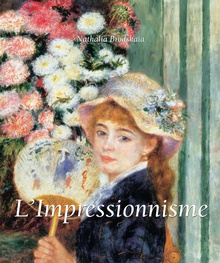
Peu de temps avant sa mort, Claude Monet écrivait : « Je reste désolé d’avoir été la cause du nom donné à un groupe dont la plupart n’avait rien d’impressionniste. » Manet n’avait-il pas évoqué dans une formule définitive : « Je peins ce que je vois et non ce qu’il plaît aux autres de voir » ? L’auteur, Nathalia Brodskaïa, dégage les contradictions de cette fin du XIXe siècle à travers le paradoxe d’un groupe qui, tout en formant un ensemble cohérent, favorise l’affirmation des individualités artistiques. Entre l’art académique et le commencement de la peinture moderne non figurative, …

The Renaissance began at the end of the 14th century in Italy and had extended across the whole of Europe by the second half of the 16th century. The rediscovery of the splendour of ancient Greece and Rome marked the beginning of the rebirth of the arts following the break-down of the dogmatic certitude of the Middle Ages. A number of artists began to innovate in the domains of painting, sculpture, and architecture. Depicting the ideal and the actual, the sacred and the profane, the period provided a frame of reference which influenced European art over the next four centuries. …
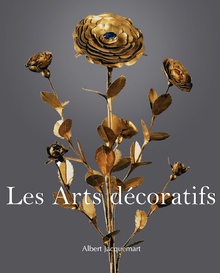
Du Moyen Âge à l'Époque contemporaine, l'art décoratif peut être défini par les matériaux, le design et les objets artistiques utilisés à la fois en architecture urbaine et en architecture d'intérieur. Comme beaucoup d'autres formes d'art, l'art décoratif continue à se développer, ajoutant à l'utilité de simples pièces comme des chaises une dimension esthétique pour s'orienter vers des objets purement ornementaux. Les Art décoratifs, en valorisant tous les supports d'expression de l'art décoratif à travers les siècles, aspire à faire l'éloge de ces édifices et objets souvent sous-estimés. À l'origine non considérés comme des arts appliqués, leur potentiel artistique ne …