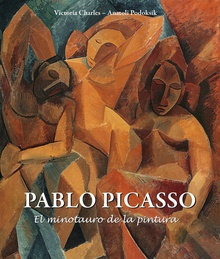
Pablo Picasso (1881-1973) es considerado por muchos el artista más importante del siglo XX. Nacido en Málaga, Picasso demostró su talento desde una edad muy temprana y se apresuró en tomar contacto con los círculos artísticos más importantes de su tiempo, primero en Barcelona y posteriormente en París. En su modernista búsqueda de la novedad, Picasso acudió a la historia premoderna y al arte primitivo para encontrar la inspiración. A él y a su compañero Georges Braque les debemos la invención del cubismo, que no se trataba de uno más de entre muchos movimientos vanguardistas, sino de la corriente estética …
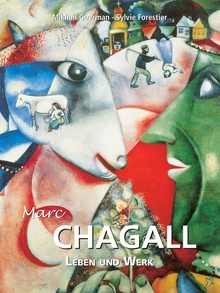
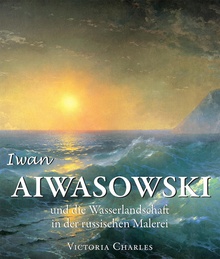
In seiner Heimat Russland, wo er Maler am Zarenhof Nikolaus‘ I. war, machte sich Iwan Aiwasowski (1817-1900) vor allem mit seinen Seestücken einen Namen, erlangte aber jenseits der Grenzen kaum Bekanntheit. Als Meister des Erhabenen machte er das Meer zu seinem Hauptmotiv. Ob wild und stürmisch oder ruhig und friedlich, der See lassen sich so viele Eigenschaften zuschreiben wie dem Wesen des Menschen. Wie Turner, den er kannte und dessen Kunst er bewunderte, malte er nie im Freien oder fertigte vorbereitende Skizzen an, seine Werke waren das Ergebnis seines außergewöhnlichen Gedächtnisses. Seine mehr als 6.000 Gemälde machen Aiwasowski zum produktivsten …
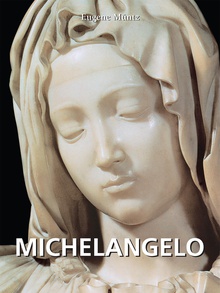
The name Michelangelo instantly conjures up the Sistine Chapel, the David, the Pieta and countless other great works. In his History of Italian Painting, the French writer Stendhal remarked that, “between Greek antiquity and Michelangelo nothing exists, except more or less skilled forgeries”. In Promenade in Rome, Chateaubriant expresses his admiration for the refined lines of the Pieta. A number of great writers such as Manzoni view Michelangelo as one of the indisputable Masters of the western revival in art. The work of Michelangelo has, indisputably, stood the test of time. How was he able, in so few years, to …
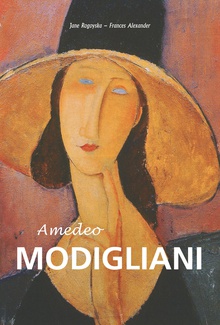
Der Künstler Modigliani (1884-1920) fand wenig Glück in seinem Geburtsland Italien und nur Kummer in seiner Wahlheimat Frankreich. Aus dieser Traurigkeit heraus schuf er ein individuelles und außergewöhnliches Werk, das Einflüsse afrikanischer Kunst, des Kubismus und vieler betrunkener Nächte in Montparnasse in sich trägt. Mit ihrer tiefen Sinnlichkeit und der fast aggressiven Nacktheit scheinen seine weiblichen Akte und deren geheimnisvollen Gesichter die Gesamtheit Modiglianis Leidens und Nichtanerkennung auszudrücken. Modigliani starb bereits im Alter von 36 Jahren. Dieses Buch enthält Bilder, die damals große Skandale verursachten, heutzutage aber fast harmlos wirken.
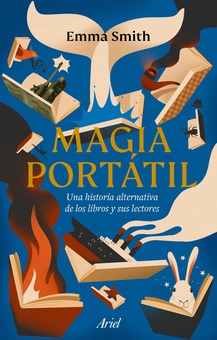
Un relato fascinante, en ocasiones soslayado,del libro en manos humanas, de lassensaciones y los hábitos que generaen contacto con los lectores. Los libros son importantes por las palabras que contienen, pero además de mundos que residen en nuestra mente son también objetos que nos acompañan. Magia portátil se adentra en el simbolismo de las obras literarias como artefactos, es decir, el encanto inherente a su materialidad y portabilidad. A partir de los múltiples aspectos que inciden en nuestra relación con los libros (incluso sin haberlos leído) y reinterpretando hitos cruciales en la historia de la lectura, Emma Smith reflexiona sobre …
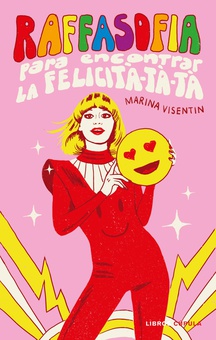
Si los filósofos que a lo largo de los siglos han debatido sobre el tema hubiesen tenido televisión, habrían encontrado en Raffaella Carrà el eslabón perdido entre el ser humano y la felicidad. Espontánea, libre de prejuicios y abierta a la inclusión, encendió arcoíris de colores en las pantallas de televisión todavía en blanco y negro. Hábil en el equilibrio entre la temeridad y la virtud —como prueba, Hay que venir al sur— representó a la perfección el valor como uno los fundamentos de la felicidad, según las voces más autorizadas.Lo cierto es que en cada uno de nosotros duerme una …
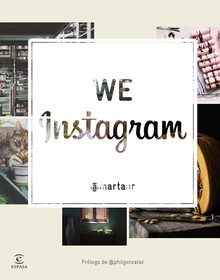
El espacio donde hierve toda la cultura creativa del futuro.Instagram se ha convertido en pocos años en una de las redes sociales con más usuarios en todo el mundo. Pero Instagram es mucho más que una red social. Es el espacio en el que una nueva generación ha podido canalizar todo su talento y compartirlo. Es el espacio donde hierve toda la cultura creativa del futuro. Este libro pretende hacer una radiografía de la actualidad de Instagram: las tendencias más exitosas, las imágenes más espectaculares y las opiniones y reflexiones de los perfiles más representativos. ¡Un libro imprescindible para todos …
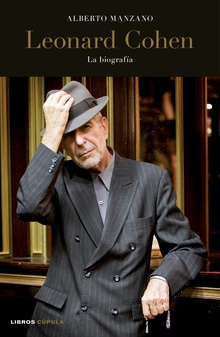
Desde la aparición de su primer poemario en 1956, Leonard Cohen se convirtió en uno de los héroes culturales más reverenciados en los círculos literarios de Canadá y Estados Unidos. En los años sesenta, Leonard Cohen cambió la pluma por la guitarra y fue aclamado como «el poeta del rock por excelencia», influyendo en numerosas generaciones de músicos que le han rendido homenaje. Leonard Cohen dejó perpleja a su legión de seguidores cuando se retiró a un monasterio budista durante toda la década de los noventa, para reaparecer en 2008, en una gira triunfal que le llevó a las grandes …

Uno de los personajes más queridos y, a la vez, más polémicos de nuestra actualidad, que nunca deja indiferente a nadie, "se desnuda" en este libro como nunca lo ha hechoBelén Esteban es una mujer no solo capaz de vencer cualquier obstáculo, sino de reinventarse a sí misma, hasta el punto de convertirse en toda una lección de supervivencia. Ella decide en este relato compartir las contradicciones, obstáculos y éxitos que una chica de barrio tiene que afrontar en el siglo XXI para ser la persona que realmente quiere y merece ser. En primera persona, más íntima y mucho más inédita que en televisión, este libro nos presenta …