Francisco de Goya y Lucientes (Fuentetodos, 1746 – Bordeaux, 1828) Goya est peut-être le peintre le plus accessible entre tous. Son art, comme sa vie, est un livre ouvert. Il ne cachait rien de ses contemporains, et leur offrait son art avec la même franchise. L'entrée dans son monde n'est pas barricadée de difficultés techniques. Il prouva que si un homme a la capacité de vivre et de multiplier ses expériences, de se battre et de travailler, il peut produire un grand art sans besoin de recourir au décorum classique, ni à la décence traditionnelle. Il naquit en 1746, à …

Edvard Munch (1863-1944), war ein norwegischer, bahnbrechender Maler des Symbolismus,der einen starken Einfluss auf denExpressionismus ausübte.Er war so in sein Werk involviert, dass er es seine "Kinder" nannte, was angesichts des sehr persönlichen Inhalts seiner Bilder ziemlich merkwürd erscheint. Munch drückt seine innere Unruhe und extreme Gefühle in seiner Kunst aus, besonders in seinerfrühen Karriere. Er malte nicht, was er sah, sondern wie er sich fühlte und stellte seine Morbidität und Krankheit in seinen Bildern durch eine dunkle Farbskala dar, darunter der berühmte Schrei.Jeder kann seine Emotion nachvollziehen, auch wenn sie vielleicht unterschiedlich interpretiert werden.
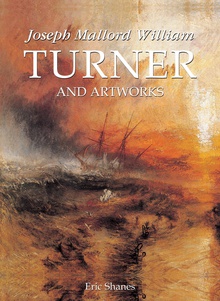
At fifteen, Turner was already exhibiting View of Lambeth. He soon acquired the reputation of an immensely clever watercolourist. A disciple of Girtin and Cozens, he showed in his choice and presentation of theme a picturesque imagination which seemed to mark him out for a brilliant career as an illustrator. He travelled, first in his native land and then on several occasions in France, the Rhine Valley, Switzerland and Italy. He soon began to look beyond illustration. However, even in works in which we are tempted to see only picturesque imagination, there appears his dominant and guiding ideal of lyric …
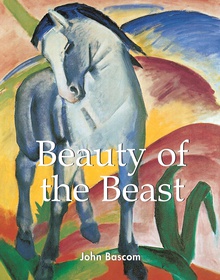
Throughout time, artists have maintained a close relationship with the animal world, which has proved to be an inexhaustible source of inspiration. First, they received inspiration directly from their environment. Next, animals were used in art for their status as domestic friends, symbols of an intimate and familial life, held in particularly high esteem during the Renaissance. Later, in Orientalism, animal art followed the discovery of exotic fauna which appealed to contemporary artists. The animal and its wild beauty are depicted here through works of art from Albrecht Dürer, Pieter Bruegel, Leonardo da Vinci, Katsushika Hokusai, Henri Rousseau, and Paul …
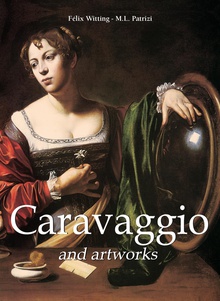
After staying in Milan for his apprenticeship, Michelangelo da Caravaggio arrived in Rome in 1592. There he started to paint with both realism and psychological analysis of the sitters. Caravaggio was as temperamental in his painting as in his wild life. As he also responded to prestigious Church commissions, his dramatic style and his realism were seen as unacceptable. Chiaroscuro had existed well before he came on the scene, but it was Caravaggio who made the technique definitive, darkening the shadows and transfixing the subject in a blinding shaft of light. His influence was immense, firstly through those who were …
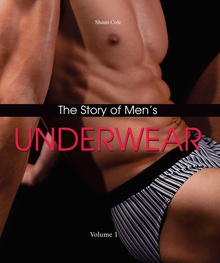
Men’s fashion, particularly the trends involving undergarments, was once reserved for the elite; today it has become democratised, clear proof of social progress. The aestheticism of the body so highly valued by the Greeks seems to have regained a prominent place in the masculine world. Mirroring the evolution of society’s values, the history of underwear also highlights the continuous, dancing exchange that exists between women’s styles and men’s fashion. Undergarments are concealed, flaunted, stretched or shortened, establishing a game between yesterday’s illicit and today’s chic and thereby denouncing the sense of disgrace that these simple pieces of clothing used to …
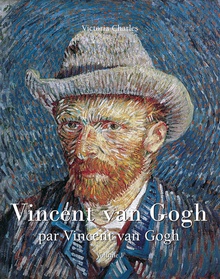
La vie et l’Œuvre de Vincent van Gogh sont si intimement liés qu’il est presque impossible de regarder ses tableaux sans y lire l’histoire de sa vie. Une vie si souvent décrite qu’elle est devenue légende, Van Gogh étant l’incarnation même de la souffrance, du martyre de l’artiste moderne incompris, étranger au monde qui l’entoure. « Lorsqu’on vit avec d’autres et qu’on est lié par un sentiment d’affection, on comprend alors qu’on a une raison de vivre, que l’on n’est pas entièrement indigne et sans valeur mais que l’on sert peut-être à quelque chose. Nous avons en effet tous besoin …
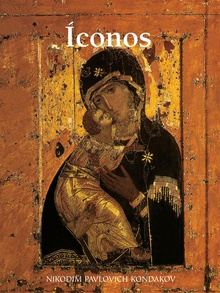
“La iconografía cristiana y, sobre todo, la representación de Cristo, se basa en la doctrina de la encarnación. De la misma manera que el teólogo se expresa a través del pensamiento, el iconógrafo, a través de su arte, expresa la verdad viviente, la revelación que posee la Iglesia en forma de sus tradiciones. Más que cualquier otra imagen sagrada, el ícono de Cristo “no realizado por manos humanas” expresa el principio dogmático de la iconografía”. Padre Daniel Rousseau Esta obra analiza la evolución de los conceptos temáticos de los pintores desde el periodo bizantino, a través del principado de Kiev, …
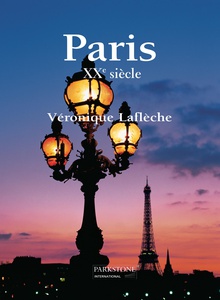
Capitale mythique entre toutes, Paris bénéficie d’une aura toute particulière. Certains la considèrent même comme la plus belle ville du monde, grâce à ces monuments qui ont fait sa renommée : la tour Eiffel, l’arc de triomphe ou encore le Sacré-Cœur. Après avoir retracé l’évolution historique de Paris, l’auteur nous convie à une balade dans les rues et quartiers de la capitale. S’arrêtant ça et là pour nous fournir des détails historiques sur les différents édifices, connus et moins connus, elle prend aussi le pouls de la vie pari-sienne et rend compte de ses menus délices : boire un thé …
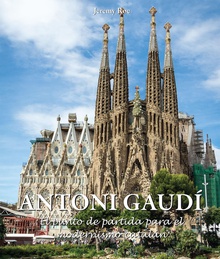
El arquitecto y diseñador español Antoni Gaudí (1852-1926) es una importante e influyente figura en la historia del arte contemporáneo de España. El uso del color, la utilización de diferentes materiales y la introducción de movimiento en sus construcciones fueron toda una innovación en el terreno de la arquitectura. En su diario, Gaudí expresó sus propios sentimientos sobre el arte: “los colores usados en arquitectura tienen que ser intensos, lógicos y fértiles”. El autor, Jeremy Roe, utiliza una amplia gama de detalles fotográficos y arquitectónicos que le permiten revelar el contexto del arte de Barcelona mientras nos introduce en el …