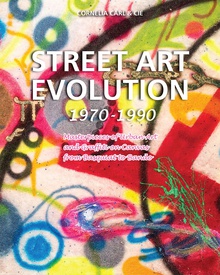
This richly illustrated book plunges you into the vibrant and provocative world of graffiti and street art in this wide-ranging exploration of a much-misunderstood culture. Our journey spans the tumultuous birth of graffiti in 1970s New York, to its explosive growth and evolution. Be seduced by the visceral impact of the bright colours and intricate shapes, the hard-hitting social and political commentary, and the stories that spontaneously spring from our urban canvases. This book encapsulates the raw energy, innovation and indomitable spirit of artists who dare to make the city their canvas. Join us on this journey, and see the …
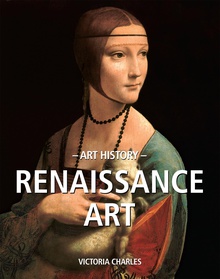
The Renaissance began at the end of the 14th-century in Italy and had extended across the whole of Europe by the second half of the 16th-century. The rediscovery of the splendour of ancient Greece and Rome marked the beginning of the rebirth of the arts following the break-down of the dogmatic certitude of the Middle Ages. A number of artists began to innovate in the domains of painting, as well as sculpture and architecture. Depicting the ideal and the actual, the sacred and the profane, the period provided a frame of reference which influenced European art over the next four …
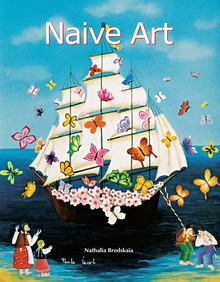
Naive art first became popular at the end of the 19th century. Until that time, this form of expression, created by untrained artists and characterised by spontaneity and simplicity, enjoyed little recognition from professional artists and art critics. Influenced by primitive arts, naive painting is distinguished by the fluidity of its lines, vivacity, and joyful colours, as well as by its rather clean-cut, simple shapes. Naive art counts among it artists: Henri Rousseau, Séraphine de Senlis, André Bauchant, and Camille Bombois. This movement has also found adherents abroad, including such prominent artists as Joan Miró, Guido Vedovato, Niko Pirosmani, and …
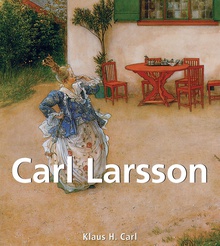
Carl Larsson (1853-1919), artiste suédois bien-aimé, émergea d’un milieu pauvre et gagna une place estimée dans le coeur et l’esprit de ses compatriotes. Aujourd’hui célèbre dans le monde entier pour ses images lumineuses et délicates de sa famille et de sa vie idyllique dans la campagne suédoise, il lutta pendant de nombreuses années en tant que peintre avant de trouver la reconnaissance internationale grâce à ses illustrations de livre. Ses charmants portraits et ses projets décoratifs majeurs pour l’opéra de Stockholm et le Nationalmuseum méritent l’admiration qu’ils suscitent, malgré la critique des institutions artistiques conservatrices. Toutefois, ce sont ses séries …
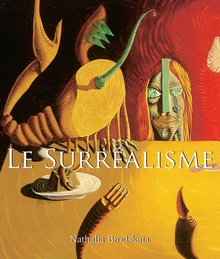
Le mouvement Dada et ensuite les surréalistes sont apparus dans la foulée de la Première Guerre mondiale dans une explosion d’idées : la révolution de la pensée, la créativité et le désir de rompre avec le passé et tout ce qui restait du passe. Ce refus de s'intégrer dans la société bourgeoise amène Georg Grosz à faire remarquer à Dada que « c'est la fin des ismes ». Breton affirme que Dada ne produit pas de perspective, « une machine qui fonctionne à plein régime, mais où reste-t-il à voir? Il peut se nourrir lui-même ». Le surréalisme a émergé …
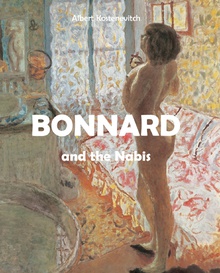
Pierre Bonnard was the leader of a group of post-impressionist painters who called themselves the Nabis, from the Hebrew word meaning ‘prophet’. Bonnard, Vuillard, Roussel and Denis, the most distinguished of the Nabis, revolutionized the spirit of decorative techniques during one of the richest periods in the history of French painting. Influenced by Odilon Redon and Puvis de Chavanne, by popular imagery and Japanese etchings, this post-impressionist group was above all a close circle of friends who shared the same cultural background and interests. An increasing individualism in their art often threatened the group’s unity and although tied together by …
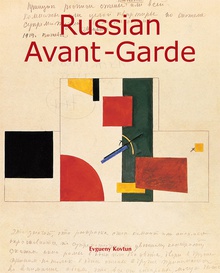
The Russian Avant-garde was born at the turn of the 20th century in pre-revolutionary Russia. The intellectual and cultural turmoil had then reached a peak and provided fertile soil for the formation of the movement. For many artists influenced by European art, the movement represented a way of liberating themselves from the social and aesthetic constraints of the past. It was these Avant-garde artists who, through their immense creativity, gave birth to abstract art, thereby elevating Russian culture to a modern level. Such painters as Kandinsky, Malevich, Goncharova, Larionov, and Tatlin, to name but a few, had a definitive impact …
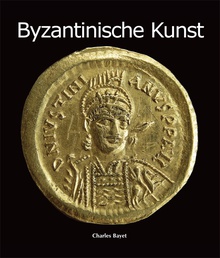
Über ein Jahrtausend lang, von seiner Gründung im Jahre 330 n. Chr. bis zu seinem Untergang im Jahre 1453, war das Byzantinische Reich eine Wiege von künstlerischem Überfluss, die erst jetzt wiederentdeckt wird. Ausgestattet mit dem reichen Erbe der römischen, östlichen und christlichen Kulturen, entwickelten die byzantinischen Künstler eine architektonische und malerische, vom Symbolismus geprägte Tradition, die auch über die Grenzen des Reiches hinaus einen großen Einfluss ausübte. Italien, Nordafrika und der Nahe Osten schützen und erhalten heutzutage die antiken Überreste dieser anspruchsvollen künstlerischen Tradition mit all ihrer geheimnisvollen und verzaubernden Schönheit. Die Pracht der Paläste, Kirchen, Malereien, Töpferwaren, Keramiken …
Seit die alten Griechen die ersten Kouroi schufen, inspirierten Kinder einige der größten Künstler der Welt. Ob Porträts von ihren eigenen Kindern, Freunden oder Familienmitgliedern, oder als nostalgische psychologische Studie der eigenen Kindheit, Darstellungen von Kindern in der Kunst bleiben eindrucksvolle Beispiele für den Schnittpunkt zwischen der malerischen Unschuld der Kindheit und der methodischen Arbeit des erwachsenen Künstlers. In diesem neuen Puzzle-Buch bekommen Kinder die Gelegenheit, kleine Jungen und Mädchen wie sie selbst, von großen Künstlern dargestellt, zu sehen und dabei zu erfahren, wie Kinder im Laufe der Geschichte aufwuchsen, und gleichzeitig eine Verbindung zur Welt der Kunst zu entwickeln.
Ever since the ancient greeks sculpted the first kouros, children have been a source of inspiration for some of the world’s greatest artists. Whether portraits of their own children, friends, and family members, or a nostalgic psychological portrayal of the artist’s own youth, depictions of children in art remain arresting examples of an intersection between the picturesque innocence of childhood and the methodical work of adult artistry. In this delightful new puzzle book, children get a chance to see little boys and girls just like them as portrayed by great artists, learning about how children grew up throughout history while …
El proyecto artístico más ambicioso de Sara Rubayo, la historiadora del arte que ha revolucionado los museos en España, y Ana Gállego: una recopilación exhaustiva de todas las mujeres pintoras del siglo XVIII.Cuando un visitante entra en el Museo del Prado, espera ver Las Meninas de Diego Velázquez, no los bodegones de Clara Peeters, pese a pertenecer al mismo estilo artístico, y tener un incalculable valor histórico.PintorAs vol. 2 pretende dar respuesta al vacío de conocimiento que tiene la historia del arte: las mujeres artistas. No es que no las conozcamos porque no existieran, sino porque fueron despreciadas artísticamente y …