
Diez años después de su publicación, vuelve una nueva edición del clásico de Betty Edwards totalmente revisada y actualizada. Esta original obra de referencia nos demuestra que, al revés de lo que piensan muchos, el misterio de la habilidad para dibujar no depende de la destreza ni de un talento natural, sino que es una manera distinta de ver y percibir el mundo que todos podemos desarrollar. Aplicando los últimos hallazgos sobre los procesos cognitivos del cerebro humano, la catedrática Betty Edwards presenta emocionantes ejercicios pensados para liberar el potencial creativo del hemisferio derecho y acceder de manera consciente a …
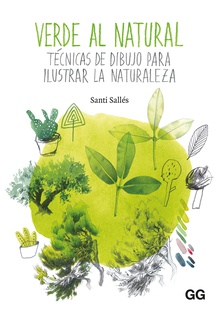
La naturaleza es un universo en sí mismo que cuenta con gamas de colores particulares, motivos y morfologías propias, encuadres y composiciones recurrentes, y las increíbles posibilidades expresivas de los paisajes y el mundo vegetal. Santi Sallés, urban sketcher de reconocido prestigio y un auténtico apasionado de la naturaleza, ha reunido en este personal manual práctico un compendio excelente de recursos y consejos para aprender o mejorar el dibujo de esta especialidad.
• Materiales y herramientas: de la acuarela al gouache pasando por el lápiz y el bolígrafo, cada instrumento de dibujo y cada tipo de tinta y pigmento tiene sus …
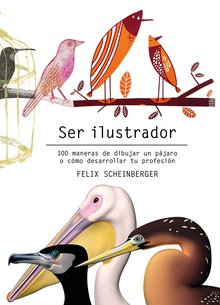
Felix Scheinberger, ilustrador y urban sketcher, ha creado esta maravillosa guía para convertirte en ilustrador profesional.
Empápate de todos los saberes y consejos necesarios para ser ilustrador: te sumergirás en la esencia de la ilustración y las claves que todo aspirante a ilustrador debe conocer, aprenderás técnicas de dibujo que te permitirán innovar y enriquecer tu estilo y, finalmente, descubrirás los secretos imprescindibles para desenvolverte y sobrevivir en el mundo laboral.
Sumérgete en la mirada de los grandes nombres de la ilustración contemporánea: Ralph Steadman, Christine Rösch, Tomi Ungerer, Dorothea Huber, Wolf Erlbruch y más de 100 ilustradores actuales te mostrarán ¡cómo …

William Hogarth wrote his Analysis of Beauty in 1753, during the Age of Enlightenment. Through this captivating text, he tends to define the notion of beauty in painting and states that it is linked, per se, to the use of the serpentine lines in pictorial compositions. He calls it the line of beauty . His essay is thus dedicated to the study of the composition of paintings, depending on the correct use of the pictorial lines, light, colour, and the figure's attitudes. These timeless concepts have been applied by several artists through the centuries. Paintings from every period have here …
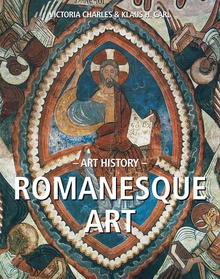
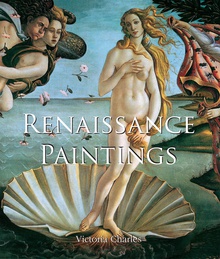
In utter contrast to the obscurity of the medieval period which preceded it, the rapid and unexpected arrival of the Renaissance conquered Europe during the 14th to the 16th centuries. Placing man at its centre, the actors of this illustrious movement radically altered their vision of the world and refocused their aesthetic pursuits towards anatomy, perspective, and the natural sciences. Creator of numerous talents, the Renaissance offered the history of art great names such as Botticelli, Raphael, and Leonardo da Vinci, whose glorious masterpieces still today hang on the walls of museums the world over.
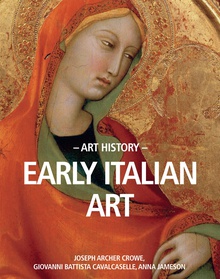
Oscillating between the majesty of the Greco-Byzantine tradition and the modernity predicted by Giotto, Early Italian Painting addresses the first important aesthetic movement that would lead to the Renaissance, the Italian Primitives. Trying new mediums and techniques, these revolutionary artists no longer painted frescoes on walls, but created the first mobile paintings on wooden panels. The visages of the figures were painted to shock the spectator in order to emphasise the divinity of the character being represented. The bright gold leafed backgrounds were used to highlight the godliness of the subject. The elegance of both line and colour were combined …
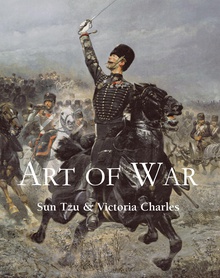
Over the course of history, many wars have changed the political and cultural landscape of our world. While these events are defined by their upheaval and violence, they frequently contribute to the formation of the identity of entire generations or groups of people, and thus have significant cultural effects. Despite the physical and emotional destruction that occurs during these turbulent periods, they have inspired prolific artistic creation. In the wake of traumatic events over the centuries, a myriad of artists have produced works that immortalise the most dramatic moments of these wars in order to establish them in history forever. …
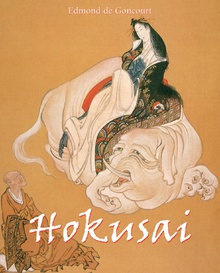
Katsushika Hokusai est sans doute l’artiste japonais le plus connu en Occident, et ce, depuis le milieu du XIXe siècle. Reflet de l’expression artistique d’une civilisation isolée, les œuvres de Hokusai, qui furent parmi les premières en provenance du Japon à émerger en Europe, influencèrent particulièrement les peintres impressionnistes et post-impressionnistes, tels que Vincent van Gogh. Considéré de son vivant comme un maître de l’estampe Ukiyo-e, Hokusai fascine par la variété et l’étendue de son Œuvre. Son travail, de près de quatre-vingt-dix ans, est présenté ici dans toute son importance et sa diversité.